Sheet Metal Fabrication in Yuba City, CA
When a standard duct section or fitting does not match the equipment, available space, or airflow requirements, a made-to-fit component may be necessary. Sheet metal fabrication provides purpose-built HVAC ductwork and connections for replacements, remodels, new construction, and commercial projects.
John Burger Heating & Air Conditioning, Inc. provides sheet metal fabrication in Yuba City, CA for residential and commercial HVAC applications. The company also serves Marysville, Olivehurst, Plumas Lake, Live Oak, Sutter, and other communities within its Yuba-Sutter heating and cooling service area.
What Does HVAC Sheet Metal Fabrication Solve?
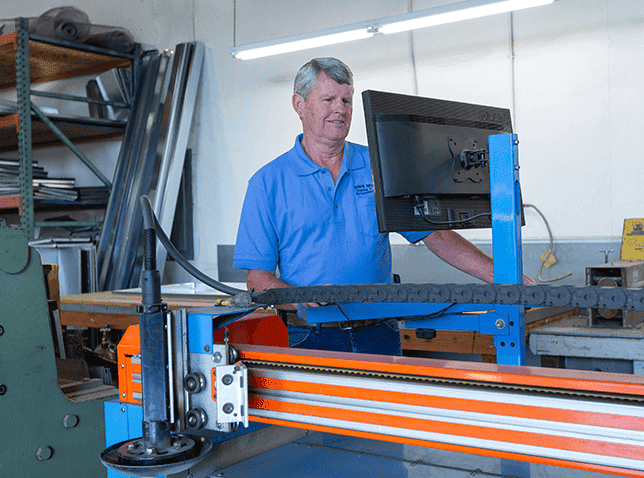
HVAC sheet metal fabrication turns flat metal into components that distribute air or connect heating and cooling equipment. Unlike general decorative or structural metalwork, HVAC fabrication must account for component dimensions, airflow, connection points, equipment placement, access, and installation requirements.
Custom fabrication becomes useful when a manufactured fitting does not match the system or when the duct layout must work around framing, ceilings, attics, mechanical rooms, or other building features. The goal is not simply to produce a metal box. The finished component must fit its intended location and support the air-distribution system around it.
Components That May Require Custom Fabrication
Every project is different, but HVAC sheet-metal work may involve:
- Supply and return duct sections
- Supply and return plenums
- Equipment transitions and connections
- Elbows, offsets, reducers, and takeoffs
- Register boots and branch connections
- Replacement sections for damaged metal ductwork
- Components designed around limited installation space
- Made-to-fit ductwork for remodels and equipment changes
The appropriate shape, size, material, and construction method depend on the system and project. Measurements and connection requirements should be confirmed before a component is fabricated.
When Is a Custom Part Better Than a Stock Fitting?
A standard fitting is often suitable when its dimensions and connections match the system. Custom fabrication is more appropriate when using a stock part would create an awkward transition, restrict the available opening, interfere with the building structure, or require several unnecessary connections.
Common situations include:
- A replacement furnace or air handler has different connection dimensions than the previous equipment.
- An existing plenum is damaged, poorly fitted, or incompatible with new equipment.
- A remodel changes the available route for supply or return ductwork.
- A commercial installation requires components that match a specific mechanical layout.
- New construction plans call for duct sections or fittings that are not available in standard dimensions.
- Existing ductwork must connect to equipment without forcing a sharp or poorly positioned transition.
Custom work is not automatically necessary for every project. The decision should be based on the required dimensions, intended use, access conditions, and how the component will interact with the rest of the HVAC system.
Can Custom Sheet Metal Improve HVAC Airflow?
Custom sheet metal can support better airflow when it is properly sized and shaped for the system. A transition that changes dimensions too abruptly, a restrictive fitting, or a poorly matched equipment connection can create resistance that makes it harder for the blower to move air.
Fabrication alone does not guarantee better performance. Duct sizing, system design, connection sealing, insulation, supports, filter condition, blower operation, and the layout of the complete supply-and-return system all matter. A new metal component cannot compensate for an undersized duct system or unrelated equipment problem.
If the main concern is leaking, disconnected, or damaged existing ductwork rather than the need for a custom component, duct repair in Yuba City may be the more appropriate service.
Sheet Metal Work for Different Types of HVAC Projects
Residential Equipment Replacement
New heating and cooling equipment does not always share the same cabinet dimensions or connection locations as the system it replaces. A made-to-fit transition or plenum may be needed to connect the new equipment to the existing air-distribution system without forcing a mismatched connection.
This is also an opportunity to identify damaged metal sections, loose joints, restricted openings, or configurations that may interfere with airflow. The condition of the surrounding ductwork should be considered before deciding that one fabricated component will solve the entire problem.
Remodels and Additions
Room additions, converted spaces, altered ceilings, and mechanical-room changes can affect where ductwork can run. Custom fittings may help route an HVAC connection through the available space while maintaining practical dimensions and service access.
The HVAC requirements should be considered with the building layout. Reducing a duct simply to make it fit can create unwanted airflow resistance, so spatial constraints and system needs must be evaluated together.
Commercial HVAC Applications
Commercial buildings may have larger air-distribution systems, rooftop equipment, tenant improvements, specialized mechanical layouts, or replacement projects that require made-to-fit connections. John Burger provides commercial HVAC services along with sheet metal fabrication for Yuba-Sutter businesses.
Commercial project requirements may be influenced by mechanical plans, equipment specifications, available installation space, code requirements, and coordination with other building trades. The scope should be established before fabrication begins.
New Construction HVAC
New construction often requires ductwork and fittings selected for the planned heating and cooling system rather than adapted after equipment is installed. Sheet-metal requirements may include plenums, transitions, trunk sections, branch connections, and other components that support the designed air-distribution layout.
Early coordination helps reduce conflicts with framing, electrical work, plumbing, ceilings, and other mechanical components. It also allows installation conditions and equipment connections to be considered before parts are produced.
What Information Defines a Fabrication Project?
A useful project description goes beyond the length and width of a requested part. The fabricator may need to understand where the component will be used, what it connects to, how air moves through it, and whether installation is part of the requested work.
Important project details may include:
- The component’s intended HVAC function
- Opening and connection dimensions
- Equipment model and connection locations when applicable
- Available installation space
- Required transitions, offsets, angles, or branch connections
- Airflow and system-design requirements
- Material and construction requirements
- Whether existing ductwork will remain or be modified
- Jobsite access and installation conditions
- Applicable plans, specifications, or code requirements
A photograph or rough sketch can help start the discussion, but it may not replace verified dimensions or a jobsite evaluation. Small measurement differences can determine whether a fabricated component fits correctly.
How Does an HVAC Fabrication Project Move Forward?
The exact workflow depends on the project, but most HVAC sheet-metal work involves several connected decisions.
- Define the need: Identify what the component must connect, replace, route, or support.
- Confirm the dimensions: Check openings, equipment connections, available space, offsets, and installation access.
- Coordinate the design: Determine the shape and configuration needed for the HVAC application.
- Fabricate the component: Cut, form, and assemble the metal according to the established project requirements.
- Verify fit and function: Confirm that the component matches the intended connection and does not create an avoidable restriction.
- Complete the installation requirements: Address joining, sealing, insulation, support, and other applicable project details.
Fabrication and installation should be treated as related parts of the HVAC project. A precisely formed component can still perform poorly if it is attached to an undersized, leaking, unsupported, or incorrectly configured duct system.
What Affects the Cost of Sheet Metal Fabrication?
There is no single price for custom HVAC sheet-metal work because the labor and material requirements vary considerably. A straightforward transition has different requirements than a large plenum, multiple commercial duct sections, or a project that requires field measurements and installation.
Cost factors can include:
- The number and size of components
- The complexity of bends, transitions, offsets, and connections
- Material and thickness requirements
- Field-measurement or design-coordination needs
- Installation access
- Removal or modification of existing ductwork
- Sealing, insulation, reinforcement, and support requirements
- Commercial plans or project specifications
- Permit, code, or engineering requirements when applicable
An estimate should be based on the actual scope instead of a generic per-piece assumption. Providing equipment details, drawings, dimensions, photographs, and installation information can help define what the project requires.
Why HVAC-Specific Fabrication Matters in Yuba City
Heating and cooling systems across the Yuba-Sutter area can experience extended periods of operation during the cooling season. When ductwork passes through hot attics, rooftop areas, garages, or other unconditioned spaces, fit, sealing, insulation, and airflow become especially important.
Metal construction by itself does not make a duct system efficient. Poorly sealed joints can lose conditioned air, and restrictive transitions can make the blower work against greater resistance. Custom fabrication is most useful when the component is designed as part of the complete HVAC system rather than treated as an isolated piece of metal.
Residential properties, commercial buildings, replacement projects, and new construction can each require a different approach. The system type, building layout, equipment location, and intended use should guide the fabrication decision.
HVAC Experience Behind the Sheet Metal Work
John Burger Heating & Air Conditioning, Inc. is a family-owned and operated company that has served the Yuba-Sutter area since 1989. The company is licensed and insured, holds California license #876533, and provides residential HVAC, commercial HVAC, new construction HVAC, custom ductwork, and sheet metal fabrication.
Keeping fabrication connected to HVAC work helps maintain focus on the component’s actual purpose: fitting the equipment, supporting air distribution, and meeting the needs of the building. John Burger’s experience with heating, cooling, commercial systems, and construction projects provides relevant context for evaluating HVAC sheet-metal needs.
Should the Ductwork Be Repaired, Replaced, or Custom Fabricated?
Repair May Be Appropriate When
- The existing component still fits the system.
- The problem is limited to a loose joint, damaged seam, small opening, or disconnected section.
- The surrounding ductwork remains serviceable.
- No equipment or layout change requires different dimensions.
Replacement May Be Appropriate When
- A metal section is extensively damaged or deteriorated.
- Several connections or surfaces are no longer serviceable.
- The component cannot be restored without leaving significant weaknesses.
- The existing configuration no longer matches the HVAC equipment.
Custom Fabrication May Be Appropriate When
- No standard component matches the required dimensions.
- The project needs a transition between different opening sizes or positions.
- The duct route must accommodate a building constraint.
- New or replacement equipment requires a made-to-fit connection.
- Plans or project specifications call for a particular configuration.
The best choice depends on more than the visible condition of the metal. Fit, airflow, system compatibility, access, and the condition of adjacent ductwork should also be considered.
Frequently Asked Questions
What is HVAC sheet metal fabrication?
HVAC sheet metal fabrication is the process of cutting, forming, and assembling metal into ductwork, fittings, plenums, transitions, and other components used in heating, cooling, and ventilation systems.
What kinds of HVAC components may require custom fabrication?
A project may require custom duct sections, plenums, equipment transitions, elbows, offsets, reducers, takeoffs, register boots, or other made-to-fit air-distribution components. The exact scope depends on the system and installation.
When is a custom part better than a stock fitting?
A custom part may be better when standard fittings do not match the equipment, available space, connection dimensions, duct route, or project specifications. Stock fittings remain appropriate when they fit the application without creating unnecessary restrictions or connections.
Can custom sheet metal improve HVAC airflow?
Custom sheet metal can support proper airflow when the component is correctly sized and shaped for the system. Performance also depends on the complete duct layout, sealing, insulation, blower operation, and the condition of the remaining ductwork.
Is sheet metal fabrication the same as duct repair?
No. Duct repair addresses leaks, damage, loose joints, or disconnected sections in existing ductwork. Fabrication creates a new made-to-fit component when an existing part cannot be reused or a standard replacement does not fit.
Is sheet metal fabrication available for residential and commercial projects?
Yes. John Burger Heating & Air Conditioning provides residential and commercial HVAC services, including sheet metal fabrication. Project requirements vary according to the equipment, building, installation conditions, and intended use.
Can sheet metal fabrication support new construction HVAC?
Yes. John Burger provides new construction HVAC and sheet metal fabrication. Custom components may support equipment connections and planned air-distribution layouts when the required sizes and configurations are established for the project.
What information helps define a fabrication project?
Useful information includes the component’s purpose, connection dimensions, equipment details, available space, required offsets, drawings, photographs, project specifications, and whether installation or existing duct modifications are involved.
What affects the cost of sheet metal fabrication?
Cost depends on component size, quantity, material, complexity, measurements, installation access, existing duct modifications, reinforcement, insulation, sealing, and any project-specific code or plan requirements.
Does John Burger provide sheet metal fabrication outside Yuba City?
Yes. John Burger serves Yuba City and surrounding Yuba-Sutter communities, including Marysville, Olivehurst, Plumas Lake, Live Oak, Wheatland, Gridley, Biggs, Colusa, Sutter, and nearby areas.
How do I request a sheet metal fabrication estimate?
Provide a description of the HVAC application, available dimensions, equipment information, photographs, drawings, and installation location when available. John Burger can review the project details and determine what additional information is needed.
Request a Sheet Metal Fabrication Estimate
If your HVAC project requires custom ductwork or a made-to-fit metal component, contact John Burger Heating & Air Conditioning, Inc. Describe the application, equipment, dimensions, and installation conditions so the team can review the requested scope.
Request a Sheet Metal Fabrication EstimateContact Us
Licensed, Bonded & Fully Insured
Work with trained HVAC professionals who are fully licensed, insured, and background-checked for your complete peace of mind.
Free Installation Estimates
Planning a new air conditioner, furnace, heat pump, or mini split? Call today to schedule your free in-home installation estimate.
Warranty Protection
Enjoy added confidence with dependable manufacturer and workmanship warranties designed to protect your HVAC investment.
Financing
Get the comfort you need now with convenient financing that help make HVAC repair and installation more affordable.